

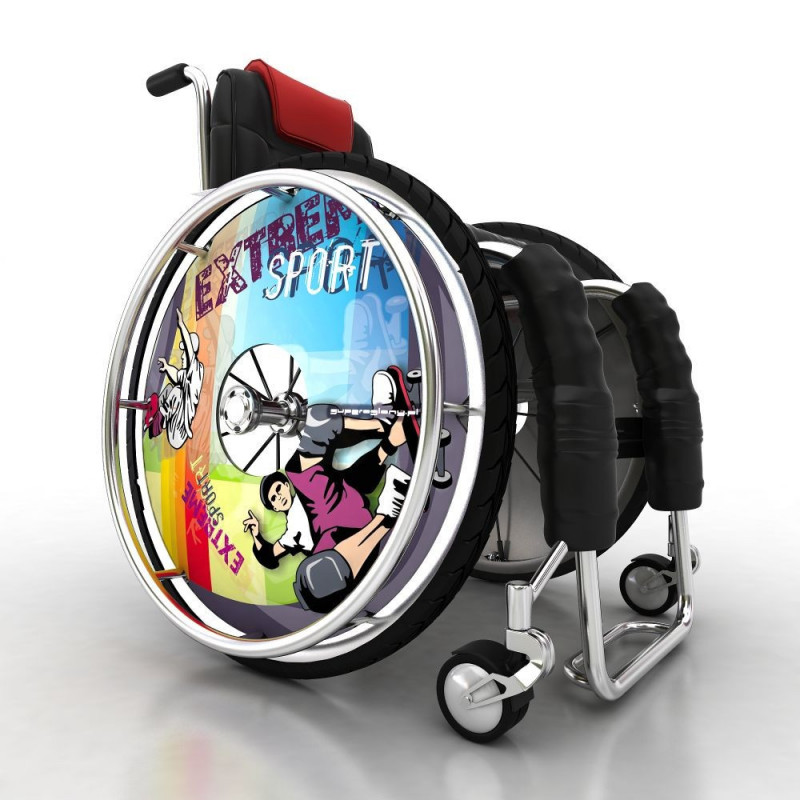

Skateboarding is not just a sport but also a cultural phenomenon that has gained global reach and influence. From its origins in California in the 1950s, skateboarding has evolved to become a symbol of freedom, individuality, and rebellion. Today, skateboarding is an integral part of pop culture, influencing fashion, music, art, and the lifestyles of young people around the world.
Skateboarding originated in California as a way to "surf on land." Early skaters, called "sidewalk surfers," used simple boards, which eventually evolved into more advanced equipment. The 1960s and 1970s brought the first competitions and the commercialization of the sport, which in turn contributed to the growing popularity of skateboarding.
In the 1980s, skateboarding gained new life through films, music, and fashion. Many cult films, such as "Thrashin'" and "Gleaming the Cube," helped popularize skateboarding among young people. Punk and hip-hop music, with their slogans of rebellion and individuality, also became integral to skate culture, creating strong connections with the skater subculture.
Skateboarding not only defines a way of moving but also a lifestyle. For many skaters, skateboarding is a form of self-expression and a way to build community. Skateparks and city streets have become gathering places where young people share their skills, passions, and experiences. Values such as respect, friendship, and community are central to skate culture, and skateboarding itself becomes a way to overcome obstacles, both physical and emotional.
Skateboarding has also influenced fashion. Brands like Vans, Thrasher, and Element have become icons of skate culture, offering clothing and accessories that have become popular not only among skaters but also in the mainstream. Loose clothing, colorful sneakers, and distinctive graphics are integral to the style that attracts young people worldwide.
Art and skateboarding are closely intertwined. Skateboard graphics, skatepark murals, and documentaries showcase not only skaters' skills but also their creativity. Many renowned artists, such as Shepard Fairey, use skate culture as inspiration for their work. Skateboard graphics have become a form of artistic expression, with unique designs that attract attention and give skateboards a personal touch.
Nowadays, skateboarding is embracing the opportunities offered by social media and video platforms. Young skaters are sharing their skills on Instagram and YouTube, building personal brands and online communities. Virtual competitions and videos have become popular, and influential skaters are inspiring the next generation.
Skateboarding is a cultural phenomenon that connects generations and transforms the way young people perceive themselves and the world. From its humble beginnings to a global phenomenon, skateboarding has become a symbol of freedom, creativity, and courage. As skateboarding continues to evolve, its influence on pop culture will only grow, inspiring generations to skate and discover themselves through this unique form of expression.
Skateboarding is not just a sport but also a cultural phenomenon that has gained global reach and influence. From its origins in California in the 1950s, skateboarding has evolved to become a symbol of freedom, individuality, and rebellion. Today, skateboarding is an integral part of pop culture, influencing fashion, music, art, and the lifestyles of young people around the world.
Skateboarding originated in California as a way to "surf on land." Early skaters, called "sidewalk surfers," used simple boards, which eventually evolved into more advanced equipment. The 1960s and 1970s brought the first competitions and the commercialization of the sport, which in turn contributed to the growing popularity of skateboarding.
In the 1980s, skateboarding gained new life through films, music, and fashion. Many cult films, such as "Thrashin'" and "Gleaming the Cube," helped popularize skateboarding among young people. Punk and hip-hop music, with their slogans of rebellion and individuality, also became integral to skate culture, creating strong connections with the skater subculture.
Skateboarding not only defines a way of moving but also a lifestyle. For many skaters, skateboarding is a form of self-expression and a way to build community. Skateparks and city streets have become gathering places where young people share their skills, passions, and experiences. Values such as respect, friendship, and community are central to skate culture, and skateboarding itself becomes a way to overcome obstacles, both physical and emotional.
Skateboarding has also influenced fashion. Brands like Vans, Thrasher, and Element have become icons of skate culture, offering clothing and accessories that have become popular not only among skaters but also in the mainstream. Loose clothing, colorful sneakers, and distinctive graphics are integral to the style that attracts young people worldwide.
Art and skateboarding are closely intertwined. Skateboard graphics, skatepark murals, and documentaries showcase not only skaters' skills but also their creativity. Many renowned artists, such as Shepard Fairey, use skate culture as inspiration for their work. Skateboard graphics have become a form of artistic expression, with unique designs that attract attention and give skateboards a personal touch.
Nowadays, skateboarding is embracing the opportunities offered by social media and video platforms. Young skaters are sharing their skills on Instagram and YouTube, building personal brands and online communities. Virtual competitions and videos have become popular, and influential skaters are inspiring the next generation.
Skateboarding is a cultural phenomenon that connects generations and transforms the way young people perceive themselves and the world. From its humble beginnings to a global phenomenon, skateboarding has become a symbol of freedom, creativity, and courage. As skateboarding continues to evolve, its influence on pop culture will only grow, inspiring generations to skate and discover themselves through this unique form of expression.
Skateboard graphics are an integral part of skate culture, evolving alongside the sport itself. From simple, uniform patterns to complex and creative designs, skateboard art has become a form of expression that reflects not only the individuality of skaters but also changes in culture and society.
Early skateboards from the 1960s and 1970s often lacked any graphics. They were simple wooden decks, and riders focused primarily on their riding technique. As the sport gained popularity, colorful paints and simple patterns began to be added, giving skateboards a more personalized character.
The 1970s and 1980s were a time when skateboard graphics truly began to gain importance. This period saw the emergence of specialized companies like Powell Peralta and Santa Cruz, which invested in artists and designers to create unique graphics for their products. The work of artists like Jim Phillips and VCJ (Vernon Courtlandt Johnson) introduced iconic designs to the skateboarding world, which became synonymous with style.
In the 1980s, skateboard graphics became not only a practical element but also an art form. Skateboarders began to treat their boards as canvases for artistic expression. Graphics often reflected youth subcultures such as punk or hip-hop. Designs became more controversial and expressive, with references to pop culture, politics, and art.
The turn of the 1990s brought new technologies that allowed for an even greater variety of graphics. Digital printing processes allowed artists to create more intricate and detailed designs. Companies like Element and Anti-Hero began introducing graphics that were not only visually appealing but also unique and personal.
As skateboarding developed as a subculture, skateboard graphics began to merge with murals and street art. Artists like Shepard Fairey and Banksy began to explore skate themes in their work, blurring the lines between commercial and street art. Skateboard graphics became an integral part of urban art, reflecting local cultures and social issues.
Today, skateboard graphics are more diverse than ever. Designs can be minimalist, abstract, or inspired by pop culture. New artists and designers are bringing fresh ideas, creating boards that are not only functional but also unique. The rise of social media has allowed artists to promote their work on a global scale, contributing to the diversification of the market.
Skateboard graphics are much more than just decoration. They're an art form that reflects changes in culture, society, and technology. From simple patterns to intricate designs, skateboard graphics showcase the passion and creativity of skaters who use their boards as canvases for self-expression. As skateboarding continues to evolve, skateboard graphics will remain an important part of this fascinating culture.