



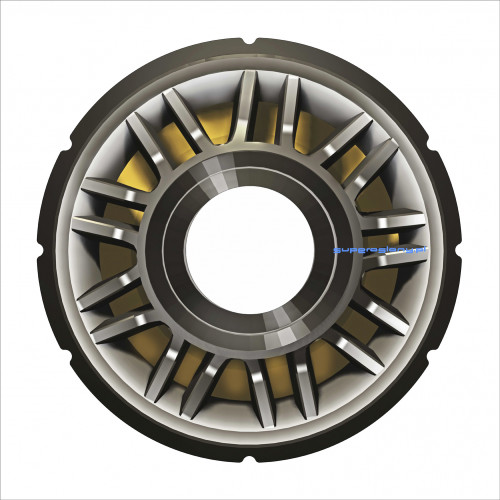
Retro-style alloy wheels are an incredibly fascinating element in the automotive world, combining the aesthetics of yesteryear with modern technology. They offer not only excellent visual appeal but also a range of technical benefits, making them an attractive choice for car enthusiasts.
Alloy wheels gained popularity in the 1960s and 1970s, when they were first used on sports and luxury cars. Their lightweight construction, compared to traditional steel wheels, allowed for improved vehicle performance, quickly attracting the attention of both drivers and manufacturers. Over the years, alloy wheels evolved, introducing various styles and finishes, including those that evoked a retro aesthetic.
Retro style is a term that refers to design references from the past, often from the 1950s, 1960s, and 1970s. In automotive terms, this refers not only to the appearance but also to the spirit of the era—simplicity of form, elegance, and distinctive details. Retro-style alloy wheels typically feature classic designs, such as five or six spokes, with clear contours and a glossy finish that catch the eye.
Aesthetics : Retro-style alloy wheels can give a vehicle a unique character. A well-chosen wheel can completely transform the appearance of a car, attracting attention and making it stand out on the road.
Lightweight : Compared to their steel counterparts, alloy wheels are significantly lighter, which translates into better performance and lower fuel consumption. A lighter wheel means less stress on the suspension and braking systems, which increases ride comfort.
Corrosion resistance : Alloy wheels are more resistant to corrosion than steel wheels, making them more durable and less susceptible to damage from weather conditions.
Customization Options : Retro-style alloy wheels are available in a variety of colors, finishes, and patterns to suit the vehicle owner's individual preferences. They can also be painted or chrome-plated for even more style.
Retro-style alloy wheels are perfect not only for classic cars but also for modern models. Their versatility makes them popular among car enthusiasts who want to give their vehicle a unique look. Many people use retro alloy wheels in "restomod" projects, where modern technology is combined with classic design.
When choosing retro-style alloy wheels, it's worth paying attention to several key aspects. Consider their size, style, material, and compatibility with the vehicle. It's also worth considering reputable brands that offer high-quality rims, ensuring their durability and aesthetic appeal.
Retro-style alloy wheels are a blend of classic and modern, and are becoming increasingly popular among car enthusiasts. Their aesthetics, lightweight design, and corrosion resistance make them not only attractive but also practical. For those who want to distinguish their vehicle, retro alloy wheels are an excellent option, combining the charm of the past with modern technological advancements. They are undoubtedly a unique element that can transform the appearance of any car, attracting attention and adding a unique character.
Retro-style alloy wheels are an incredibly fascinating element in the automotive world, combining the aesthetics of yesteryear with modern technology. They offer not only excellent visual appeal but also a range of technical benefits, making them an attractive choice for car enthusiasts.
Alloy wheels gained popularity in the 1960s and 1970s, when they were first used on sports and luxury cars. Their lightweight construction, compared to traditional steel wheels, allowed for improved vehicle performance, quickly attracting the attention of both drivers and manufacturers. Over the years, alloy wheels evolved, introducing various styles and finishes, including those that evoked a retro aesthetic.
Retro style is a term that refers to design references from the past, often from the 1950s, 1960s, and 1970s. In automotive terms, this refers not only to the appearance but also to the spirit of the era—simplicity of form, elegance, and distinctive details. Retro-style alloy wheels typically feature classic designs, such as five or six spokes, with clear contours and a glossy finish that catch the eye.
Aesthetics : Retro-style alloy wheels can give a vehicle a unique character. A well-chosen wheel can completely transform the appearance of a car, attracting attention and making it stand out on the road.
Lightweight : Compared to their steel counterparts, alloy wheels are significantly lighter, which translates into better performance and lower fuel consumption. A lighter wheel means less stress on the suspension and braking systems, which increases ride comfort.
Corrosion resistance : Alloy wheels are more resistant to corrosion than steel wheels, making them more durable and less susceptible to damage from weather conditions.
Customization Options : Retro-style alloy wheels are available in a variety of colors, finishes, and patterns to suit the vehicle owner's individual preferences. They can also be painted or chrome-plated for even more style.
Retro-style alloy wheels are perfect not only for classic cars but also for modern models. Their versatility makes them popular among car enthusiasts who want to give their vehicle a unique look. Many people use retro alloy wheels in "restomod" projects, where modern technology is combined with classic design.
When choosing retro-style alloy wheels, it's worth paying attention to several key aspects. Consider their size, style, material, and compatibility with the vehicle. It's also worth considering reputable brands that offer high-quality rims, ensuring their durability and aesthetic appeal.
Retro-style alloy wheels are a blend of classic and modern, and are becoming increasingly popular among car enthusiasts. Their aesthetics, lightweight design, and corrosion resistance make them not only attractive but also practical. For those who want to distinguish their vehicle, retro alloy wheels are an excellent option, combining the charm of the past with modern technological advancements. They are undoubtedly a unique element that can transform the appearance of any car, attracting attention and adding a unique character.
Retro-style aluminum rim graphics for wheelchair wheel covers are an innovative way to combine functionality with aesthetics. Incorporating this style into the design of accessories for people with disabilities can significantly improve their daily experience, giving them not only a modern look but also a sense of individuality and style.
Retro style, especially that associated with alloy wheels, harkens back to the aesthetics of the 1960s and 1970s, when motoring gained popularity and design became more expressive. Designs that characterize this period often feature geometric shapes, simple lines, and attractive colors. Applying these motifs to wheelchair wheel covers allows for personal expression and a chance to stand out from the crowd.
Wheelchair wheel covers often serve only a protective and aesthetic purpose, so applying graphics in the style of retro alloy wheels can completely transform their appearance. Wheelchair users are increasingly seeking personalization options to emphasize their lifestyle and individuality. Graphics reminiscent of classic alloy wheels can be eye-catching and give the wheelchair a more dynamic, modern character.
Applying graphics to wheel covers can be done using various techniques, such as digital printing, stickers, or powder coating. It's crucial that the materials are durable, weather-resistant, and easy to clean. High-quality graphics, crafted with attention to detail, can make the covers look like real alloy wheels, adding to their appeal.
Beyond aesthetics, it's important that wheelchair wheel covers fulfill their protective functions. They should protect the wheels from damage, dirt, and moisture. The retro style of alloy wheels can be combined with materials that ensure adequate durability and functionality, such as the use of durable plastics or composites.
In today's world, where personalization is becoming increasingly important, adding graphics to retro-style wheelchair wheel covers offers a way to express yourself. Users can choose from a variety of colors, patterns, and styles, allowing them to create a unique look. This element of personalization can impact the user's well-being, giving them a sense of control and individuality.
Retro-style aluminum rim graphics for wheelchair wheel covers are a perfect way to combine aesthetics with functionality. Inspired by the 1960s and 1970s, the use of high-quality materials and manufacturing techniques can significantly impact the appearance and perception of wheelchairs. These covers not only serve a practical purpose but also allow users to express their personality and lifestyle, making them more attractive and inspiring. Incorporating this design into accessories for people with disabilities is a step toward greater inclusion, acceptance, and aesthetics in everyday life.