



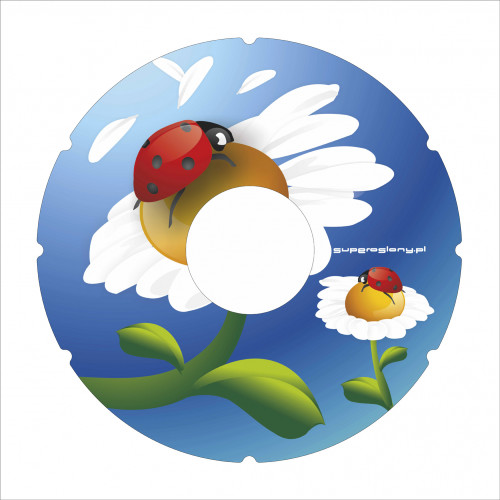
Ladybugs, these small, colorful insects, have fascinated both children and adults for centuries. Their distinctive red bodies covered with black dots make them easy to recognize and are inextricably associated with beauty and joy. But ladybugs are more than just beautiful insects—they have a rich history, unique biological characteristics, and an important place in human culture.
Ladybugs, a member of the beetle family, occur in numerous species worldwide. The most common is the seven-spotted ladybug, which has seven black dots on a red background. Besides their aesthetic appeal, ladybugs play a crucial role in the ecosystem. They are known as natural predators, eating pests such as aphids. This makes them valued by farmers and gardeners, who use them as ecological plant protection products.
Ladybugs are also interesting from a biological perspective. Their life cycle includes stages: egg, larva, pupa, and adult. Ladybug larvae are often more predatory than adult insects, making them effective pest control agents.
Ladybugs hold a special place in the culture and folklore of many nations. In Europe, they are considered symbols of good luck and protection. In some countries, finding a ladybug is believed to bring good luck, and the number of spots on its leaves can indicate how much happiness awaits the person who finds it. In Poland, a common saying is: "Ladybugs are spotted, they will be with us in happiness, because happiness is in them."
In popular culture, ladybugs have also become the heroines of numerous fairy tales, books, and films. Their charm and agility attract children's attention, making them ideal characters in children's literature.
Ladybugs inspire artists around the world. Their colorful coloration and shape have become a motif in painting, sculpture, and design. In folk art, ladybugs often symbolize joy, vitality, and fertility. Their presence in various art forms reminds us of the beauty and complexity of nature.
Contemporary design also draws inspiration from ladybugs. Elements featuring their image can be found in clothing, accessories, home décor, and toys. Their charm makes them a popular choice for children's products, from bedding to backpacks.
Ladybugs also play an important role in ecology. In an era of climate change and environmental degradation, their presence signals a healthy ecosystem. Many environmental organizations are taking action to protect these beneficial insects. Education about the role of ladybugs in nature is crucial to maintaining ecological balance.
Moreover, ladybugs have become a symbol of environmental movements. Environmental campaigns often emphasize their role as natural predators, reminding us of the importance of biodiversity.
Ladybugs, those tiny, spotted insects, are fascinating creatures with an incredibly rich life and a vital role in the ecosystem. Their presence in culture, art, and ecology makes them not only a symbol of happiness but also a reminder of the beauty and complexity of nature. In a world where we often forget about small joys, ladybugs teach us the importance of the small miracles we can notice every day.
Ladybugs, these small, colorful insects, have fascinated both children and adults for centuries. Their distinctive red bodies covered with black dots make them easy to recognize and are inextricably associated with beauty and joy. But ladybugs are more than just beautiful insects—they have a rich history, unique biological characteristics, and an important place in human culture.
Ladybugs, a member of the beetle family, occur in numerous species worldwide. The most common is the seven-spotted ladybug, which has seven black dots on a red background. Besides their aesthetic appeal, ladybugs play a crucial role in the ecosystem. They are known as natural predators, eating pests such as aphids. This makes them valued by farmers and gardeners, who use them as ecological plant protection products.
Ladybugs are also interesting from a biological perspective. Their life cycle includes stages: egg, larva, pupa, and adult. Ladybug larvae are often more predatory than adult insects, making them effective pest control agents.
Ladybugs hold a special place in the culture and folklore of many nations. In Europe, they are considered symbols of good luck and protection. In some countries, finding a ladybug is believed to bring good luck, and the number of spots on its leaves can indicate how much happiness awaits the person who finds it. In Poland, a common saying is: "Ladybugs are spotted, they will be with us in happiness, because happiness is in them."
In popular culture, ladybugs have also become the heroines of numerous fairy tales, books, and films. Their charm and agility attract children's attention, making them ideal characters in children's literature.
Ladybugs inspire artists around the world. Their colorful coloration and shape have become a motif in painting, sculpture, and design. In folk art, ladybugs often symbolize joy, vitality, and fertility. Their presence in various art forms reminds us of the beauty and complexity of nature.
Contemporary design also draws inspiration from ladybugs. Elements featuring their image can be found in clothing, accessories, home décor, and toys. Their charm makes them a popular choice for children's products, from bedding to backpacks.
Ladybugs also play an important role in ecology. In an era of climate change and environmental degradation, their presence signals a healthy ecosystem. Many environmental organizations are taking action to protect these beneficial insects. Education about the role of ladybugs in nature is crucial to maintaining ecological balance.
Moreover, ladybugs have become a symbol of environmental movements. Environmental campaigns often emphasize their role as natural predators, reminding us of the importance of biodiversity.
Ladybugs, those tiny, spotted insects, are fascinating creatures with an incredibly rich life and a vital role in the ecosystem. Their presence in culture, art, and ecology makes them not only a symbol of happiness but also a reminder of the beauty and complexity of nature. In a world where we often forget about small joys, ladybugs teach us the importance of the small miracles we can notice every day.
Ladybugs, also known as ladybirds or lady beetles, are small insects of the Coccinellidae family, boasting a wide variety of species and colors. Their distinctive red, orange, or yellow bodies covered with black dots make them easy to recognize and universally loved. They are found worldwide, from tropical forests to temperate climates, and their presence is crucial to the balance of ecosystems.
There are over 5,000 species of ladybugs worldwide, varying not only in color but also in size, shape, and behavior. The most well-known are the seven-spotted ladybug (Coccinella septempunctata), the two-spotted ladybug (Adalia bipunctata), and the golden ladybug (Halyzia sedecimguttata). Each of these species plays a vital role in the ecosystem, acting as both predator and prey in the food chain.
Ladybugs are primarily known as natural pest predators. Their primary food source is aphids, making them invaluable allies in the fight against crop pests. Thanks to their activity, farmers and gardeners can significantly reduce pesticide use, which benefits both the environment and human health. Ladybug larvae are even more voracious and can consume hundreds of aphids in a single day.
Ladybugs play a crucial role in preserving biodiversity. Their presence indicates a healthy ecosystem, and a decline in ladybug numbers can be a sign of ecological problems such as pollution or climate change. Maintaining their habitats, including natural meadows, forests, and gardens, is crucial to maintaining biological balance.
Unfortunately, ladybugs also face many threats. Habitat loss, climate change, pesticides, and invasive species are all negatively impacting their populations. For example, the Asian ladybug (Harmonia axyridis), introduced to Europe and North America for pest control, has become an invasive species that threatens native ladybugs.
In response to these challenges, environmental organizations are taking action to protect ladybugs and their habitats. Educating the public about their role in the ecosystem and promoting natural plant protection methods are crucial to ensuring the future of these beautiful insects.
Ladybugs also feature prominently in the culture and folklore of various nations. They are considered symbols of good luck, and in some cultures, finding one brings good fortune. Children often learn about them in preschools and schools, making them one of the first insects they encounter.
Ladybugs are fascinating creatures that play an incredibly important role in nature worldwide. Their ability to control pests, their importance for biodiversity, and their cultural presence make them unique. Understanding their role in the ecosystem and protecting them are key steps towards maintaining the balance of nature. Thanks to ladybugs, we can not only enjoy their beauty but also appreciate their contribution to our lives and the environment.